How Do You Winterize Your RV Before Storing It in St. Louis for 2026?
CALL TODAY! (636) 275-9305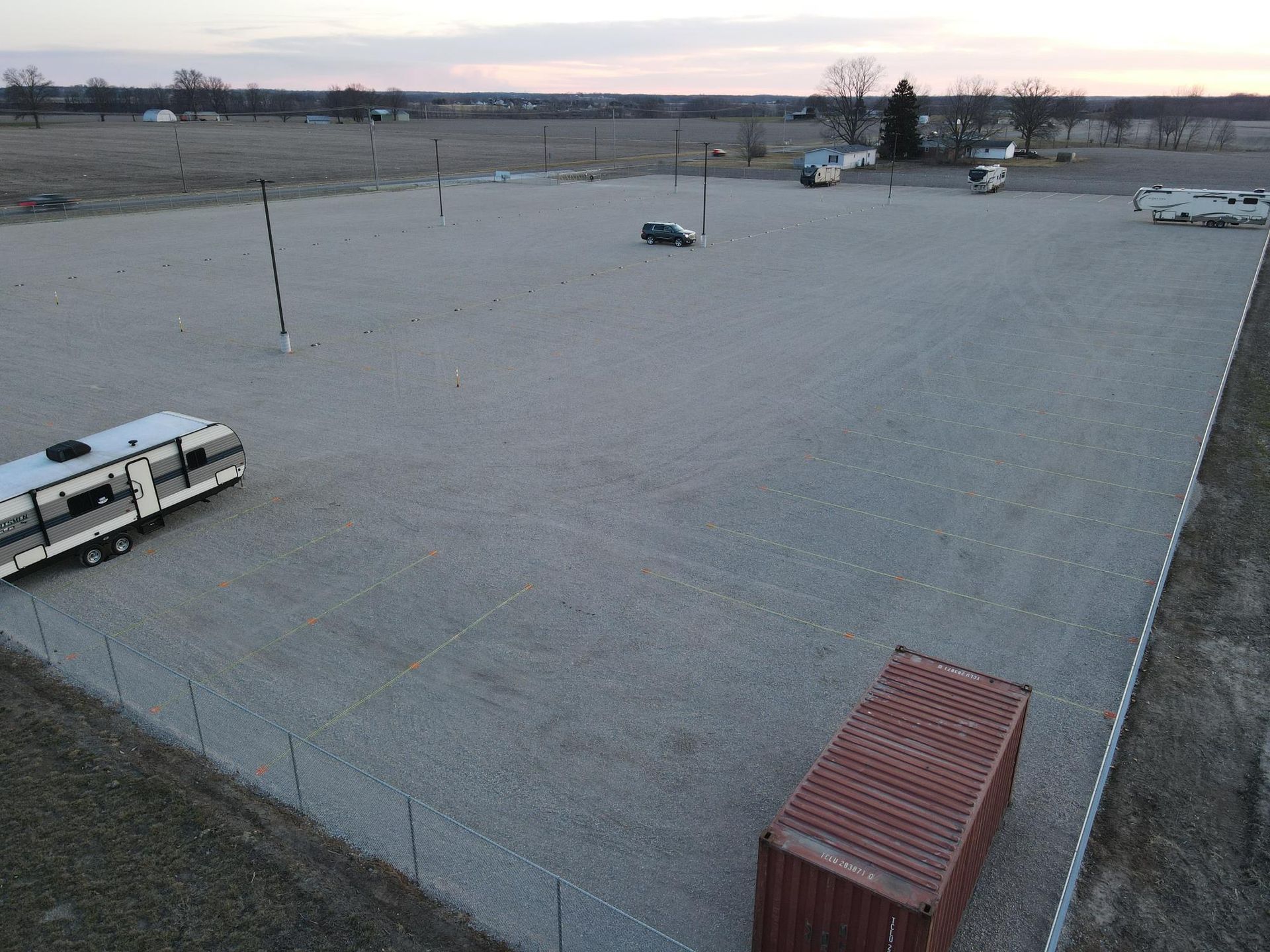
Table of Contents
- Introduction
- Why Winterizing Matters in St. Louis
- RV Winterization Checklist
- Drain and Flush Water Systems
- Blow Out or Bypass Water Lines
- Protect the Battery
- Seal Openings Against Pests
- Protect Exterior Surfaces
- Prep Engine and Generator
- Document RV Condition
- Covered Storage vs Outdoor Storage
- When to Winterize in St. Louis
- Conclusion
- Book a Storage Service
- Frequently Asked Questions
Key Takeaways
- St. Louis winters can damage RV plumbing, batteries, and seals if preparation is skipped.
- Proper winterization typically takes several hours and basic supplies.
- Water system protection is the most critical step.
- Storage environment impacts how much maintenance protection is needed.
- Early winterization helps avoid sudden cold weather risks.
Introduction
How do you winterize your RV before storing it in St. Louis? The process focuses on protecting water systems, batteries, seals, and mechanical components from freezing temperatures.
This topic matters because St. Louis experiences repeated freeze-thaw cycles during winter months. These cycles can slowly damage RV systems if protection steps are not completed. Proper preparation helps reduce repair risks and supports safer
seasonal storage practices.
Why Winterizing Matters More in St. Louis
St. Louis winters create unique storage challenges. Temperatures often drop below freezing while occasionally rising above it, creating expansion and contraction stress on RV components.
Freeze damage can affect water lines, tanks, pumps, and interior plumbing fixtures. Water expands when frozen, which can cause cracks inside hidden systems. Preventive maintenance is usually less expensive than repair work after damage occurs.
The goal is not perfection but reducing exposure to freezing moisture inside the RV structure.
Your Complete RV Winterization Checklist
Drain and Flush Water Systems
This is the foundation of RV winterization. Any leftover water can freeze and expand inside plumbing systems.
- Drain freshwater tanks fully
- Empty gray and black tanks at approved dump stations
- Turn off water heater and allow cooling before draining
- Open all faucets to release pressure
- Flush toilets several times to remove residual water
These steps help remove most standing water inside the RV plumbing network.
Blow Out or Bypass Water Lines
Two common methods are typically used.
Compressed Air Method
Use an RV-compatible blowout plug connected to an air compressor. Start from the farthest water outlet and work toward the pump. Each line usually takes several minutes to clear.
RV Antifreeze Method
Install a water heater bypass kit before adding non-toxic RV antifreeze. Pump antifreeze through sinks, showers, and toilets until it appears pink at outlets. Many owners combine both methods for redundancy.
Protect the Battery
Cold weather reduces battery capacity and can cause permanent damage if batteries discharge fully.
- Fully charge batteries before storage
- Disconnect battery cables or use a trickle charger if storing longer than one month
- Store batteries in dry, temperature-stable areas when possible
- Check fluid levels in flooded batteries
Regular monitoring during winter storage is often helpful.
Seal Every Opening
Small openings can allow pests to enter stored RVs.
- Place steel wool around pipe and wiring entry points
- Use pest repellents or traps inside storage compartments
- Inspect roof vents, door seals, and slide-out seals
- Remove food items and slightly open refrigerator doors to reduce odor buildup
This reduces risks of interior contamination during storage.
Protect the Exterior
Exterior protection helps preserve paint, tires, and rubber seals.
- Wash and wax the RV before storage
- Apply UV protection products to rubber components
- Inflate tires to recommended pressure levels
- Consider using tire cradles or jack stands for long-term storage
- Use RV covers for outdoor storage protection
Cold air causes tire pressure fluctuations, so periodic checks help maintain stability.
Prep Engine and Generator (Motorhomes)
Mechanical components also need protection during storage.
- Add fuel stabilizer to gasoline tanks
- Run engine for 10–15 minutes to circulate additives
- Change engine oil before storage since old oil can contain contaminants
- Run generators under load before adding stabilizer
These steps help maintain fuel and engine system stability.
Document RV Condition
Documentation is useful for insurance or maintenance records.
Take photos of:
- Interior walls and ceiling surfaces
- Appliances and control panels
- Exterior panels and roof access areas
- Tire condition and pressure readings
This creates a baseline record before storage begins.
Covered Storage vs Outdoor Storage
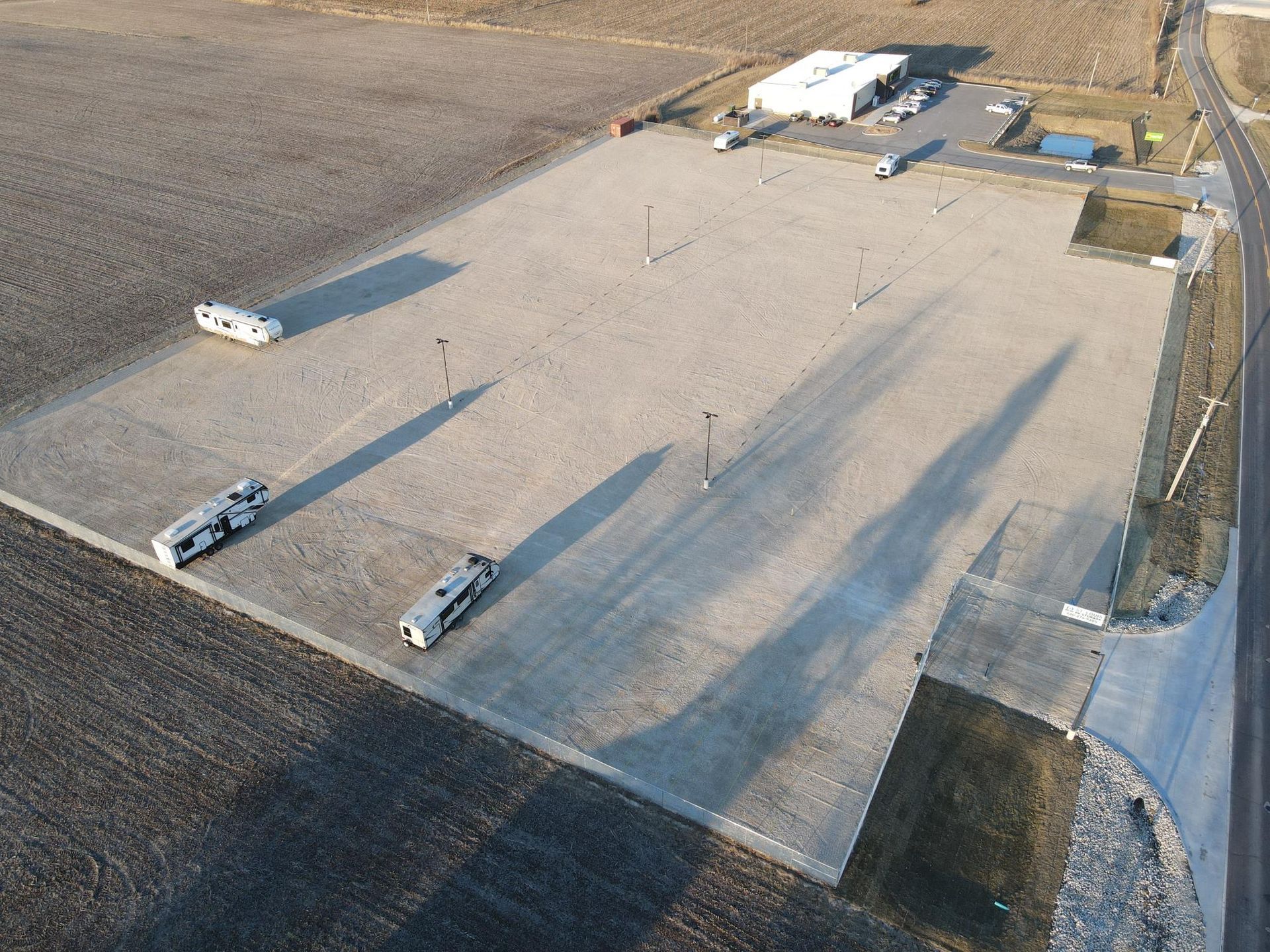
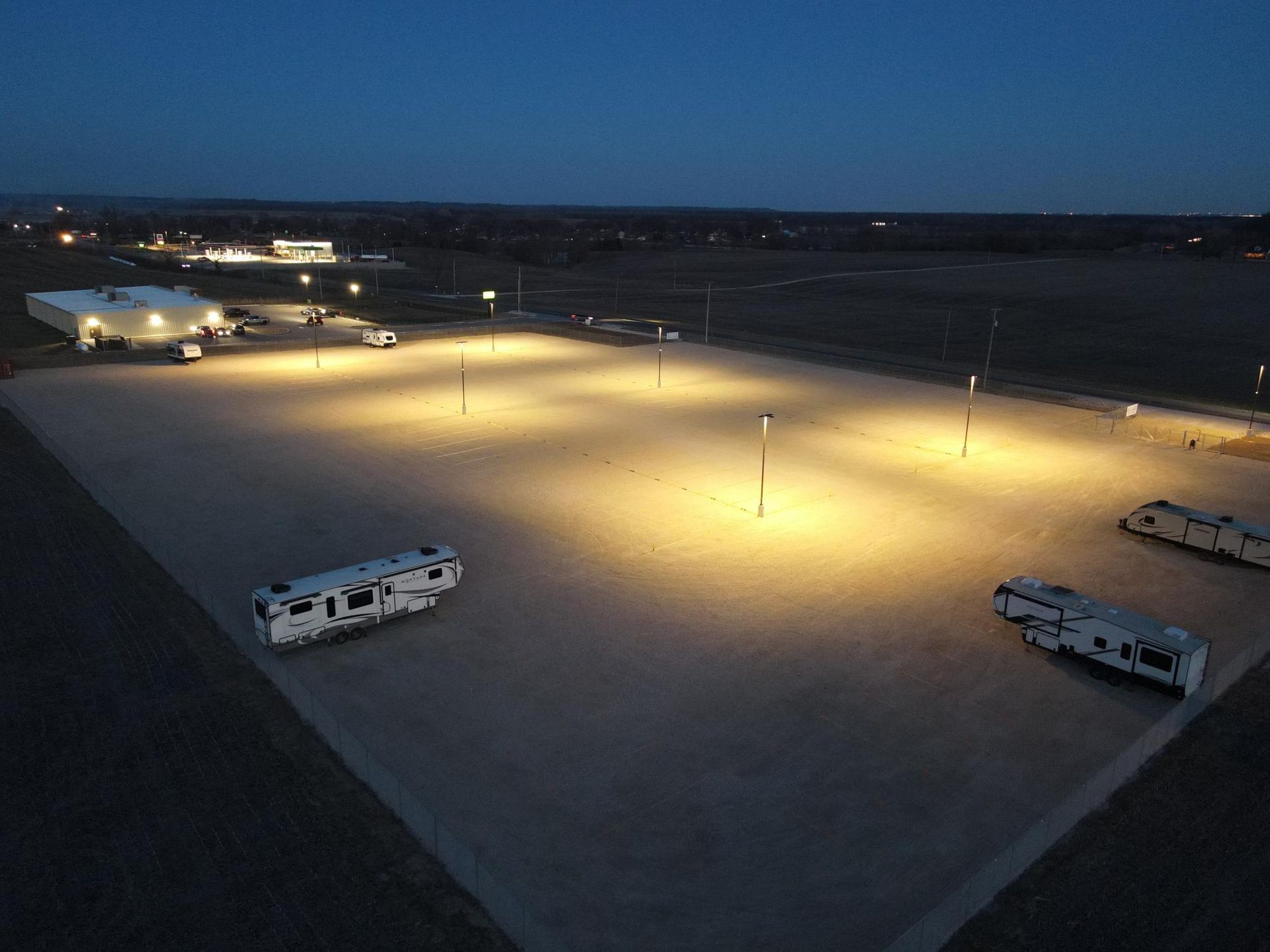
Covered storage reduces direct exposure to weather elements. It can limit UV radiation, snow buildup, and repeated temperature cycling on exterior materials.
Outdoor storage still requires full winterization. However, additional attention to covers, tire care, and sealing is usually recommended when RVs are stored outside for long periods.
Regular monthly inspections are generally helpful regardless of storage type.
When to Winterize in St. Louis
Preparing before the first hard freeze is recommended. In the St. Louis region, completing winterization by mid-October helps reduce exposure to early cold weather events.
Late-season camping is still possible, but winterization should be completed soon after the final trip when overnight temperatures begin approaching freezing levels.
Conclusion
Winterizing an RV for St. Louis storage focuses on protecting systems from freeze damage, pests, and environmental exposure. The most important steps involve water system preparation, battery maintenance, and exterior protection. Careful documentation and early preparation support better seasonal storage readiness.
Understanding these steps helps RV owners make informed maintenance decisions rather than relying on guesswork.
Book a RV Storage Service
For guidance on storage options, you can contact local storage providers for information about available spaces, access schedules, and facility features. Send inquiries or call storage facilities to check current availability and requirements.
Reserve your spot now before winter storage fills up. Contact us at
(636) 275-9305 or reserve online to check availability.
Frequently Asked Questions
Why is RV winterization important in St. Louis?
St. Louis winters often include freeze-thaw cycles that can damage plumbing, tanks, and mechanical systems if water remains inside the RV. Winterization reduces these risks.
Can I skip winterizing if my RV is stored indoors?
Indoor storage may reduce exposure to weather, but freezing temperatures can still occur inside some facilities. Basic winterization is still generally recommended.
How long does RV winterization take?
Most RV winterization processes take several hours depending on RV size, system complexity, and preparation tools available.
Do I need antifreeze if I blow out water lines?
Some owners use both methods for additional protection. This is a personal maintenance choice based on risk tolerance and storage conditions.
When should I start preparing my RV for winter storage?
Preparing before sustained freezing temperatures arrive is typically recommended. In St. Louis, this often means early to mid-autumn planning.
Related Posts