HOA RV Storage Restrictions: What You Can and Can't Do (And Where to Store Instead)
CALL TODAY! (636) 275-9305
Table of Contents
- Introduction
- Why HOAs Restrict RV Storage
- What Your CC&R Actually Says About RV Storage
- Can You Challenge HOA RV Storage Restrictions?
- Municipal RV Parking Restrictions in St. Louis
- Practical Alternatives for RV Storage
- The Real Cost of HOA RV Storage Restrictions
- Moving Forward With Your RV Storage Plan
- Frequently Asked Questions
Key Takeaways
- HOA RV storage rules are usually based on aesthetics, safety, and liability concerns.
- Always review your CC&R documents before assuming restrictions apply.
- You can request variances or propose rule amendments, though success is not guaranteed.
- Local municipal rules may also affect RV parking rights.
- Off-site storage remains the most practical solution for many RV owners.
Introduction
You own an RV. You own your home. So why can't you park your rig in your own driveway?
If you're a homeowner in a St. Louis-area HOA community, this is one of the most common frustrations among RV owners. Unfortunately, your HOA board often has legal authority to restrict or prohibit RV storage on residential property — even if you fully own your home.
This is a major pain point for recreational vehicle owners across the St. Louis metro area. Understanding HOA rules, local ordinances, and practical storage alternatives can help you avoid fines, conflicts, and unnecessary stress.
Why HOAs Restrict RV Storage
HOA restrictions on RVs, boats, and trailers are usually not arbitrary. They are typically based on community standards and management concerns.
Aesthetic Concerns
RVs are large and highly visible vehicles. HOAs often argue that allowing RV parking in driveways or yards can reduce neighborhood curb appeal and potentially affect property values. While the actual impact on property values is debated, aesthetic preservation is often the official reason behind restrictive CC&Rs.
Parking and Traffic Safety
A 40-foot motorhome can take up significant space in residential neighborhoods. HOAs worry about:
- Narrow street congestion
- Reduced visibility at intersections
- Driveway overflow into sidewalks or common areas
Property Maintenance Issues
Some HOAs have experienced problems with long-term RV parking. When RVs sit unused for extended periods, they can develop:
- Pest problems
- Exterior deterioration
- Maintenance hazards that affect nearby properties
Insurance and Liability Concerns
HOA boards sometimes cite liability exposure as a reason for restrictions. While insurance concerns are sometimes overstated, boards generally want to minimize legal risks.
What Does Your CC&R Actually Say About RV Storage?
Before assuming your HOA prohibits RV storage, review your CC&R documents carefully. Many homeowners misunderstand the exact wording of their community rules.
Common CC&R language includes:
- Absolute prohibition — "No RV, boat, or trailer storage in driveways or yards."
- Hidden storage requirement — "RVs must be stored only in enclosed garages."
- Temporary parking allowance — "RVs may be parked for up to 48 hours."
- Visibility restrictions — "RVs may not be visible from the street."
The distinction matters. Absolute bans are harder to challenge, while visibility or temporary parking rules may provide more flexibility for homeowners.
Can You Challenge HOA RV Storage Restrictions?
Legally, challenging HOA restrictions can be complicated. Missouri courts have historically supported HOA enforcement of CC&Rs, especially for aesthetic and architectural standards.
However, homeowners have several possible options:
Request a Variance
You can request an exception if you can demonstrate hardship or propose a reasonable compromise solution. Examples include:
- Installing privacy fencing
- Using landscaping screening
- Storing RVs in partially hidden areas of the property
HOA boards sometimes approve variances on a case-by-case basis.
Propose a CC&R Amendment
If multiple homeowners are affected, you can petition to modify the HOA rules. This usually requires:
- Community discussion
- Member voting
- High approval thresholds (often 67–75%)
This process is slow but sometimes successful.
Relocate to a More Flexible Community
Some St. Louis-area neighborhoods and older communities have fewer restrictions. Homeowners sometimes choose to move to non-HOA neighborhoods to avoid long-term storage conflicts.
Legal Challenges
Court challenges are typically expensive and rarely successful unless:
- The HOA is acting in bad faith
- The rule violates state law
- Enforcement is inconsistent or discriminatory
Municipal RV Parking Restrictions in St. Louis
Even if your HOA allows RV storage, city or county regulations may still apply.
Common municipal restrictions include:
- Prohibiting RV parking on public streets
- Limiting driveway parking duration
- Requiring RVs to be registered and insured
- Restricting visibility from public roadways
Homeowners should check local zoning codes before assuming they can legally store RVs at home.
Practical Alternatives for RV Storage
If home storage is not possible, consider these options.
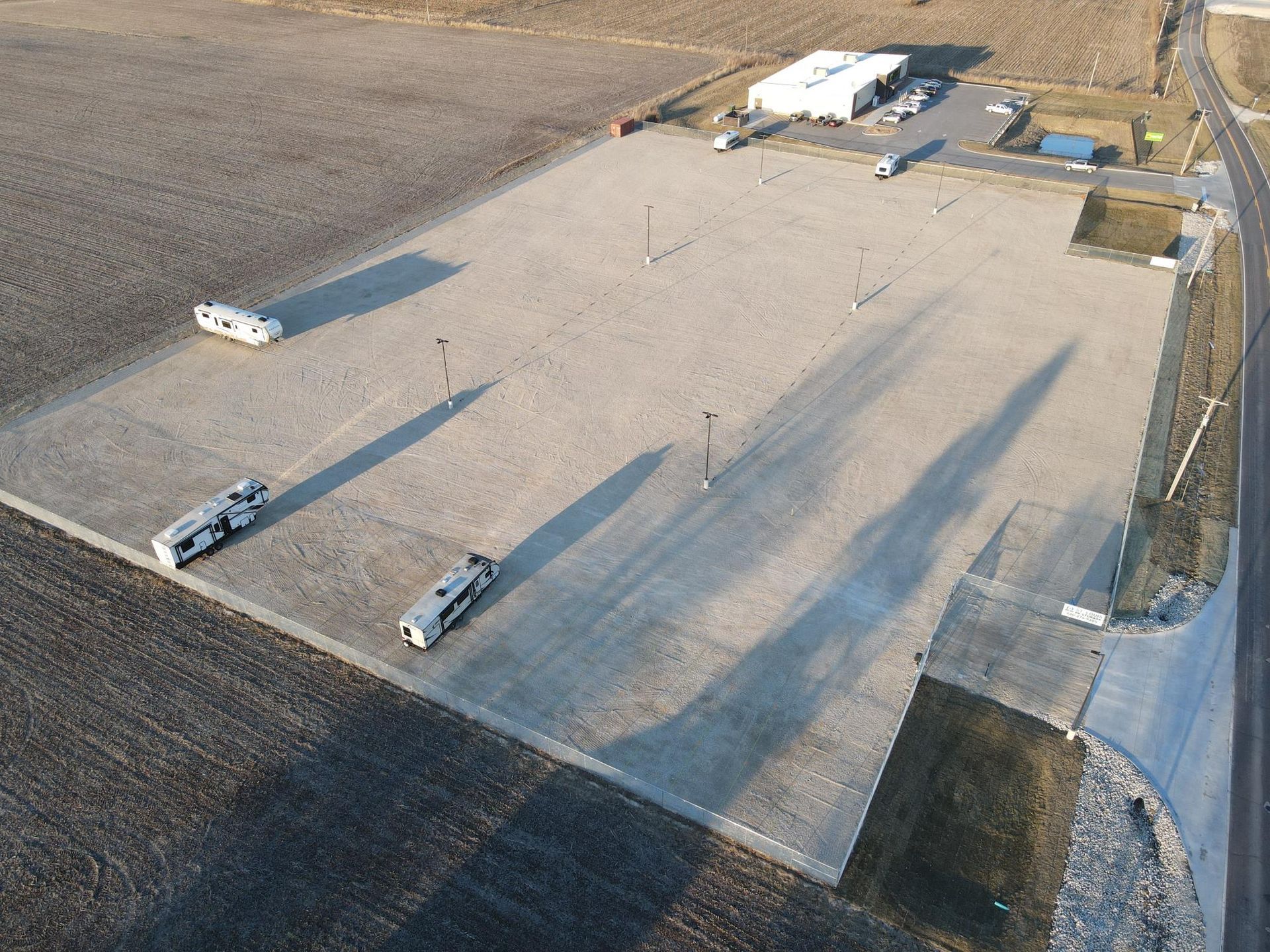
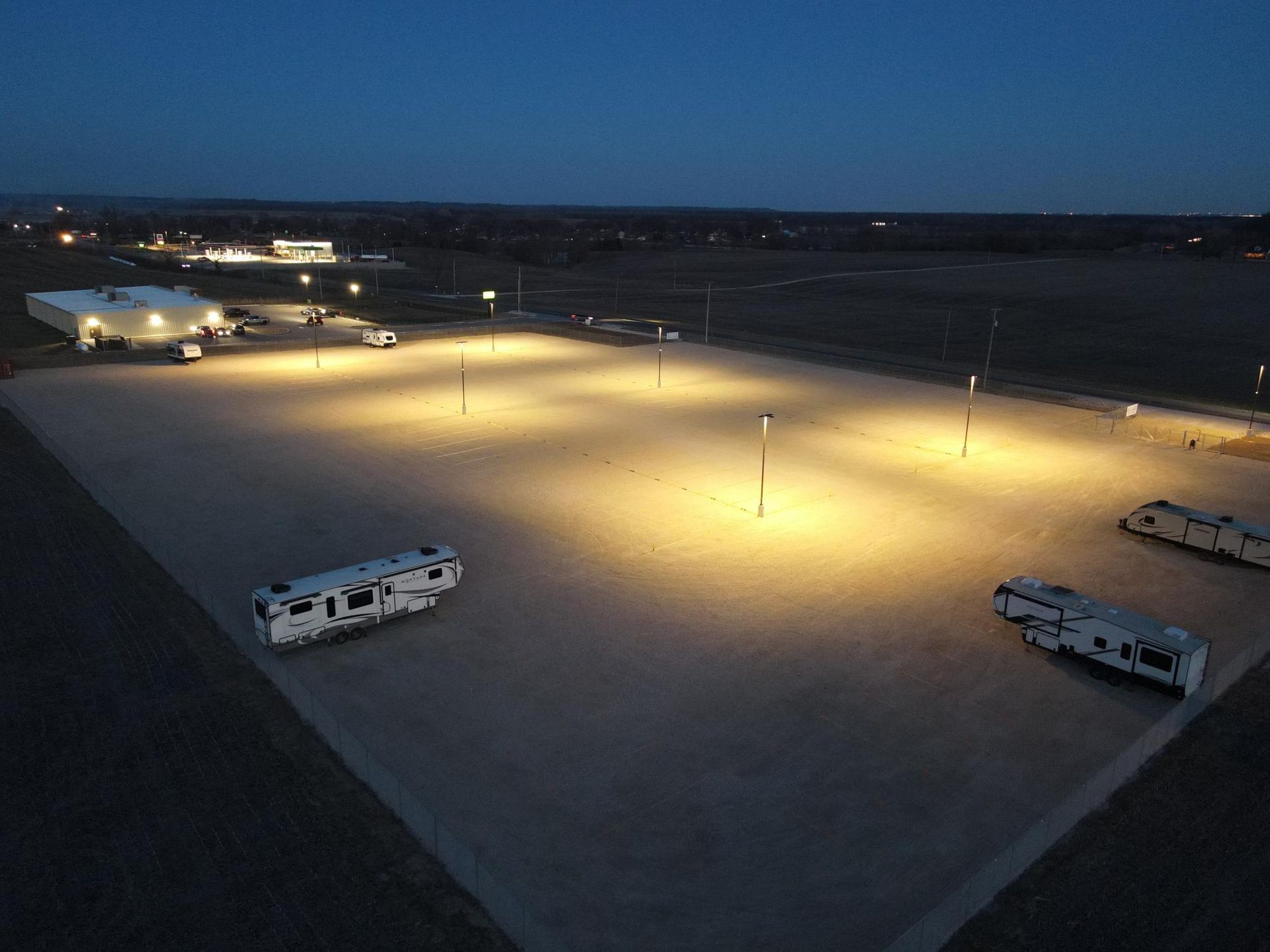
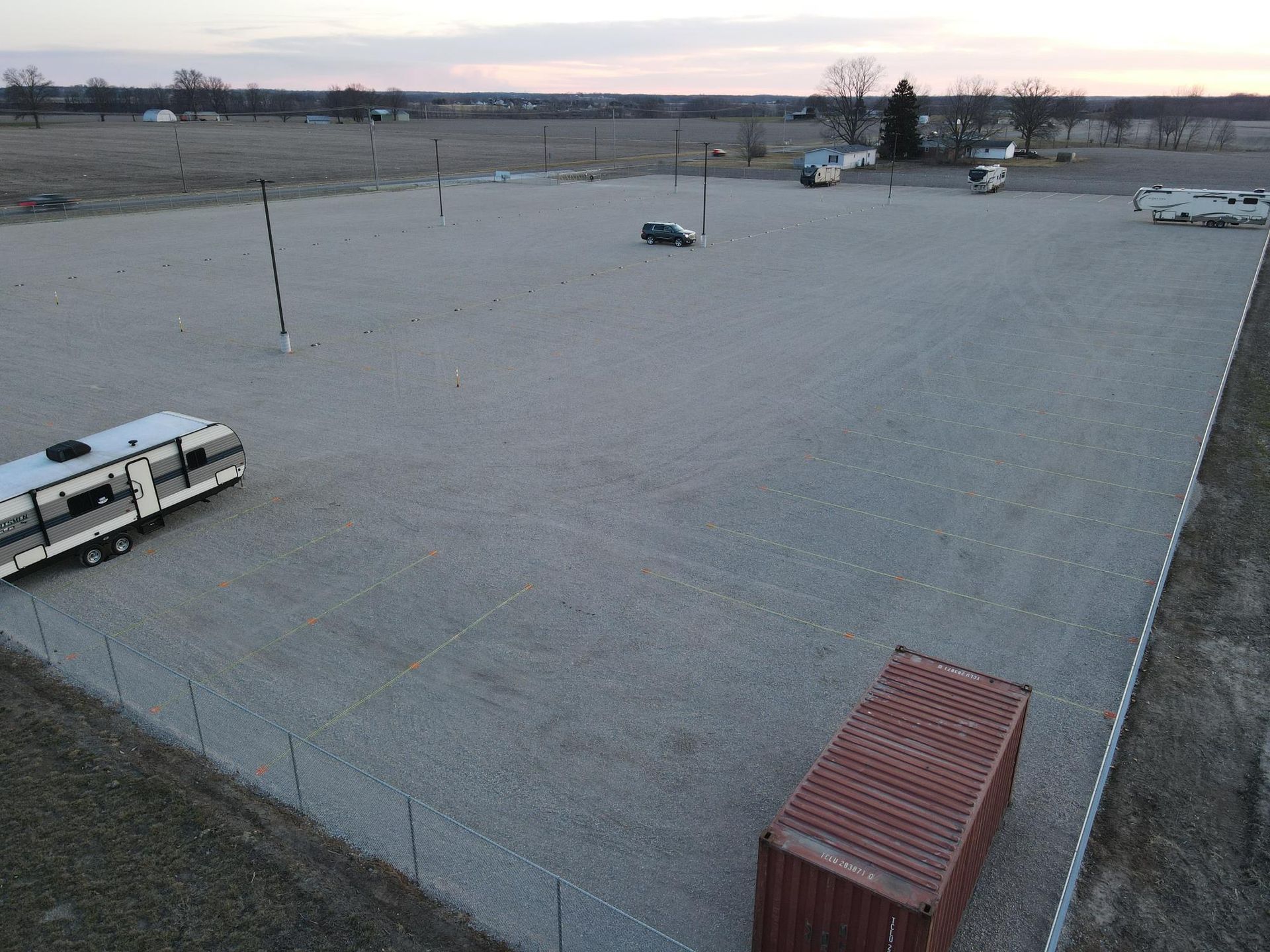
Off-Site RV Storage Facilities
This is the most common solution for St. Louis RV owners. Benefits include:
- Gated security
- Covered storage options
- Flexible monthly contracts
- Reduced HOA conflicts
Storage on Private Rural Property
Friends or family with acreage outside city limits may allow RV storage. Always:
- Get written permission
- Verify local zoning rules
RV Parks and Campgrounds
Some RV parks offer seasonal storage at discounted rates. This option may include:
- Access to hookups
- Maintenance convenience
Commercial Lot Rentals
Some commercial property owners rent unused parking spaces for RV storage, though availability varies.
The Real Cost of HOA RV Storage Restrictions
Many homeowners overlook the financial impact of HOA storage restrictions.
Without home storage options, RV owners typically pay:
- $100–200 per month for storage
- $1,200–2,400 annually
While this is an added expense, it also provides:
- Better security
- Reduced neighborhood disputes
- Professional storage management
Some modern HOAs are reconsidering strict bans and moving toward compromise solutions such as fencing requirements instead of total prohibition.
Moving Forward With Your RV Storage Plan
If you are dealing with HOA RV storage restrictions, you have three realistic paths:
Work Within HOA Rules
- Request variances
- Follow CC&R guidelines
- Use screening methods for compliance
Store Off-Site
- Use professional storage facilities for convenience and security
Consider Moving
- Look for communities with more flexible storage rules
For St. Louis RV owners, secure off-site storage is often the simplest long-term solution when HOA restrictions are strict.
Secure Off-Site Storage in St. Louis
If you're navigating HOA restrictions and need a place to store your RV,
St. Louis RV Storage offers secure, gated storage with covered options and flexible monthly contracts. No long-term commitments, no HOA drama. Reserve your spot today at
(636) 275-9305 or online.
Frequently Asked Questions
Can my HOA legally prohibit RV storage in my driveway?
Yes. HOAs generally have legal authority to enforce CC&R rules regarding RV parking and storage.
How long can I park my RV in my driveway in St. Louis?
This depends on your local municipality and HOA rules. Some areas allow only temporary parking, often 24–48 hours.
What if my RV is stored inside my garage?
Some HOAs allow RV storage inside enclosed garages since it does not affect neighborhood appearance.
Can I fight HOA RV storage rules?
Yes, but options are limited. Variances, amendments, or legal challenges are the primary methods.
What is the best RV storage option if I live in an HOA community?
Most homeowners choose off-site RV storage facilities for convenience, security, and compliance with HOA rules.
Related Posts