How to Protect Your RV’s Resale Value (What Dealers Don’t Tell You at Purchase)
CALL TODAY! (636) 275-9305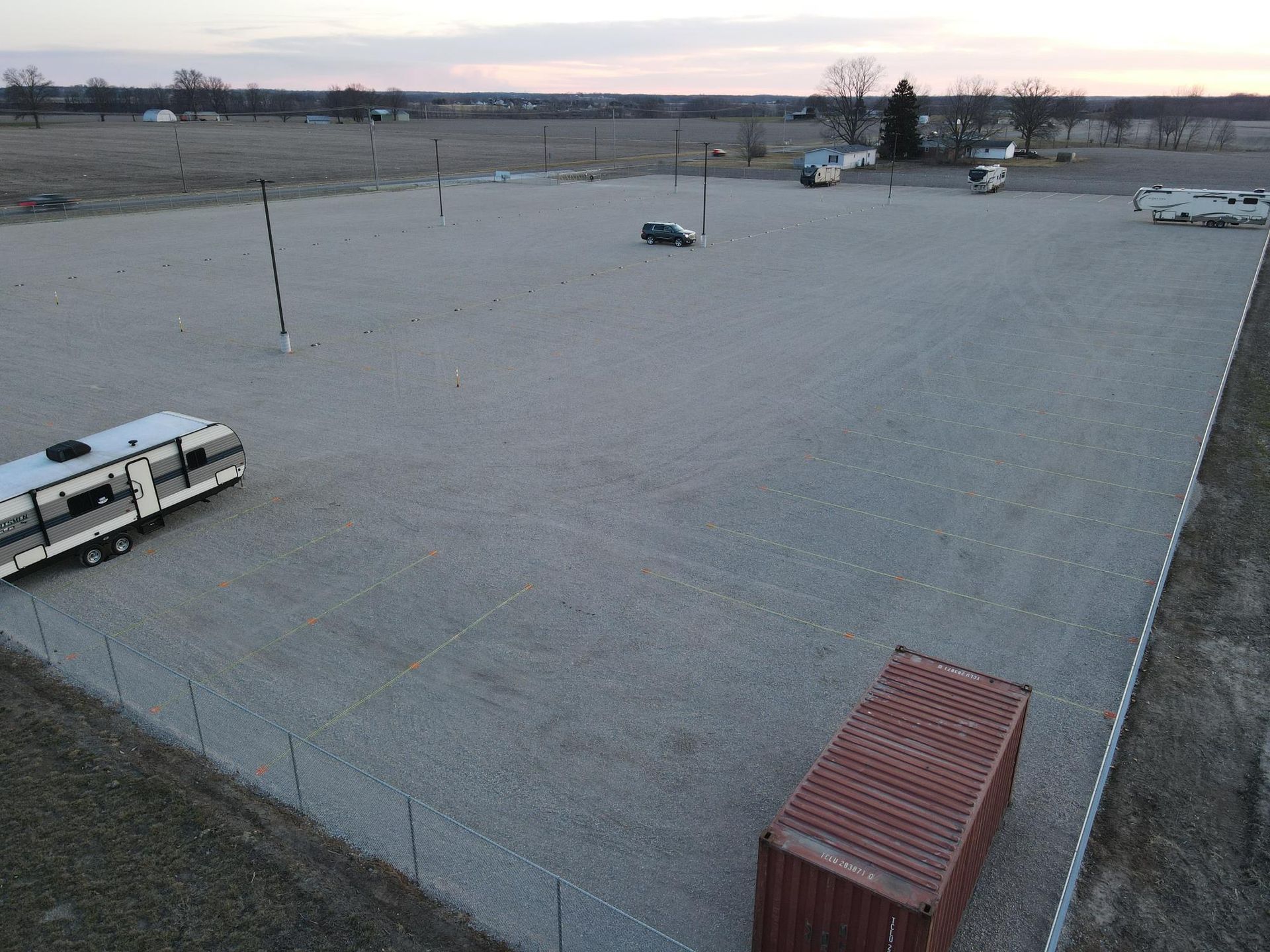
Table of Contents
- How Fast Do RVs Actually Depreciate
- Storage Is the Single Biggest Factor Most Owners Ignore
- What Covered Storage Actually Does for Your Resale Value
- The Maintenance Actions That Protect Value Most
- Cosmetic Condition: More Important Than You Think
- When to Sell: Timing Affects Your Price
- Protect Your Investment From Day One
- Frequently Asked Questions
Key Takeaways
- RVs lose significant value in the first few years of ownership.
- Storage quality is one of the biggest drivers of resale value.
- Covered storage can help prevent expensive structural and roof damage.
- Regular maintenance protects resale price and prevents major repair costs.
- Cosmetic condition heavily influences buyer perception.
- Selling during peak seasonal demand improves sale prices.
How Fast Do RVs Actually Depreciate?
The moment you drive an RV off the lot, it starts losing value. Like most vehicles, depreciation is unavoidable, but RVs often lose value faster than buyers expect.
RV depreciation generally follows this pattern:
- Year 1: 20–25% loss immediately after leaving the dealership
- Years 2–5: 10–15% depreciation per year
- Years 5+: Depreciation slows but continues, especially for motorhomes
For example, a $75,000 travel trailer can realistically be worth $45,000–$50,000 after three years of average use. Poor maintenance or weather damage can reduce that value to around $35,000, creating a potential $10,000–$15,000 loss that could have been avoided.
The biggest drivers of depreciation are:
- Overall condition
- Mileage (for motorhomes)
- Maintenance documentation
- Storage quality between uses
Among these, storage is often the most overlooked factor.
Storage Is the Single Biggest Factor Most Owners Ignore
Ask any experienced RV dealer, and they’ll tell you storage conditions immediately influence resale value.
RVs that sit uncovered in driveways or exposed storage lots often show clear signs of aging faster than properly protected units.
UV Damage
Long-term sun exposure causes:
- Faded exterior paint and graphics
- Cracked rubber seals
- Deteriorated caulking
- Damaged awning fabric
These issues go beyond cosmetics. Cracked seals can allow water intrusion, which can lead to structural damage and expensive repairs.
Delamination
Delamination is one of the worst problems an RV can experience. When water penetrates exterior panels, it can saturate the foam or wood substrate underneath, causing:
- Bubbling surfaces
- Soft structural spots
- Permanent structural weakening
Buyers and dealerships can easily detect delamination, which dramatically lowers resale offers.
Roof Deterioration
Most travel trailers and fifth wheels use EPDM rubber roofs. Without proper maintenance, these roofs can:
- Become brittle
- Crack under UV exposure
- Allow water to seep inside
Roof replacement can cost $3,000 to $8,000, while annual treatment costs are typically under $50.
Tire Degradation
Even if tires still have good tread, sunlight and ozone exposure can cause sidewall cracking. Buyers often negotiate price reductions when tires show signs of aging due to safety concerns.
Pest Damage
Rodents can cause hidden but expensive damage by:
- Chewing wiring
- Nesting inside air ducts
- Damaging insulation
This type of damage also lowers buyer confidence.
What Covered Storage Actually Does for Your Resale Value
Covered storage is not just convenience; it is an investment in resale value protection.
Covered storage protects RVs from:
- Direct UV radiation
- Rain and hail damage
- Freeze-thaw weather cycles
In markets like St. Louis, covered storage typically costs $100–$150 per month, or $600–$900 per storage season.
If covered storage prevents:
- One roof replacement
- One major seal repair
- One delamination repair
It can easily save thousands of dollars over the life of the RV.
Buyers often pay more for RVs with documented covered storage because it signals responsible ownership and proper maintenance habits.
The Maintenance Actions That Protect Value Most
Roof Inspection and Treatment
Inspect roofs twice yearly:
- Before travel season
- Before winter storage
Check for:
- Tears or cracks in membrane material
- Loose or cracked caulking
- Moisture-softened areas
Apply UV-protectant treatments annually using products designed specifically for EPDM roofs.
Seal Inspection and Recaulking
Every exterior opening is a potential water entry point:
- Windows
- Vents
- Slide-outs
- Utility connections
Replace cracked or separated caulking immediately. A $15 tube of sealant can prevent thousands in water damage repairs.
Slide-Out Maintenance
Slide-outs are frequent sources of mechanical and water problems.
Maintenance should include:
- Lubricating rails
- Inspecting rubber seals
- Checking for compression wear
A failed slide seal is a major buyer red flag.
Documentation Matters
Maintaining service records can significantly increase resale value.
Keep records of:
- Oil changes
- Roof treatments
- Appliance repairs
- General inspections
Buyers pay for confidence as much as they pay for the RV itself.
Appliance Maintenance
Service key systems annually:
- Generator
- Furnace
- Water heater
- Refrigerator coils
Working appliances are strong selling points during resale negotiations.
Cosmetic Condition: More Important Than You Think
Buyers quickly judge RV quality based on appearance.
Before selling, focus on:
- Exterior washing, waxing, and polishing
- Repairing paint chips and scratches
- Cleaning or replacing awning fabric
- Deep cleaning interiors and storage areas
- Removing smoke or pet odors
Replacing worn flooring or upholstery can be worthwhile if it increases the final selling price.
When to Sell: Timing Affects Your Price
RV market demand is highly seasonal.
The best time to sell is typically:
- Late winter
- Early spring (February through April)
During this period, buyers are preparing for camping and travel seasons. Demand is higher, which often leads to faster sales and stronger offers.
Demand may fluctuate throughout the year, but well-maintained RVs generally sell faster regardless of season.
Protect Your Investment From Day One
The best strategy for protecting RV value is consistent care. Covered storage, maintenance documentation, and proactive repairs are not optional expenses; they are long-term investment protection strategies.
At St. Louis RV Storage, we provide storage solutions designed to protect RVs from harsh weather conditions. With flexible contracts, gated access, and 24/7 camera surveillance, owners can keep their investment protected year-round.
Call us at
(636) 275-9305 or reserve your storage space online to check availability.
Frequently Asked Questions
How does RV storage affect RV resale value?
Proper storage protects against UV damage, moisture intrusion, and pest infestations, all of which can accelerate depreciation.
What is the best way to prevent RV depreciation?
Use covered storage, maintain detailed service records, inspect seals regularly, and perform annual roof maintenance.
How often should I maintain my RV to protect resale value?
Perform major inspections twice yearly and complete minor maintenance tasks throughout the year.
Does cosmetic maintenance really matter when selling an RV?
Yes. Clean, well-maintained RVs often sell faster and command higher prices because they create stronger buyer confidence.
When is the best time to sell an RV?
Late winter through early spring typically produces the strongest resale results due to seasonal demand.
Related Posts