RV Theft Is on the Rise - Here’s How to Protect Yours While It’s in Storage
CALL TODAY! (636) 275-9305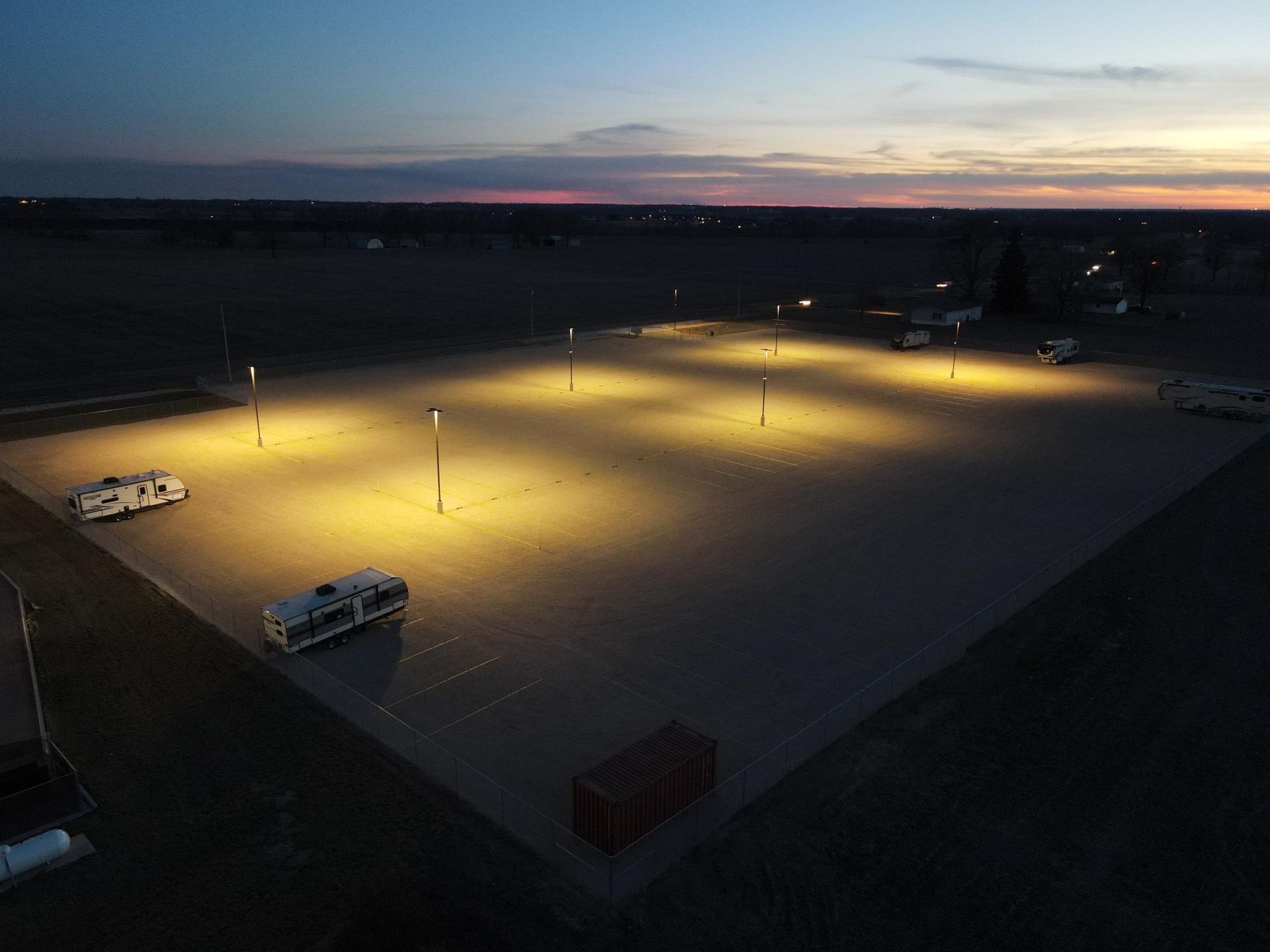
Table of Contents
- Introduction: Understanding RV Theft Risks
- Why Storage Facilities Are Prime Targets
- Layered RV Security Protection
- Physical Deterrents
- Electronic Security Systems
- What to Do Before Putting Your RV in Storage
- How to Evaluate RV Storage Facilities
- What To Do If Your RV Is Stolen
- Frequently Asked Questions
Key Takeaways
- Most RV thefts happen in storage facilities.
- Travel trailers are especially vulnerable due to fast towing capability.
- Layered security is the best defense strategy.
- GPS tracking improves recovery success rates.
- Always prepare your RV before placing it in storage.
- Storage facility security is just as important as personal security devices.
Introduction: Understanding RV Theft Risks
Thousands of RVs are stolen across the United States every year. Travel trailers are among the most frequently stolen RV types because they are easier to tow and remove quickly. Surprisingly, most RV thefts do not happen while owners are traveling or camping. Instead, thefts frequently occur at storage facilities where RVs sit unattended for long periods.
If your RV is currently in storage, it is worth asking one important question: How difficult would it really be for someone to steal it? The answer often determines how much security protection you need.
Why Storage Facilities Are Prime Targets
Thieves typically look for high-value targets that offer low resistance. An unattended RV in a poorly secured storage lot provides exactly that opportunity. There is usually no owner nearby, limited surveillance, and sometimes only basic fencing separating thieves from valuable vehicles.
The theft process can be surprisingly fast. A travel trailer worth tens of thousands of dollars can sometimes be hitched and driven away in under a minute if there is no coupler lock installed. All a thief needs is a compatible truck hitch and minimal preparation.
Motorhomes are harder to steal outright, but they are often targeted for interior valuables such as electronics, appliances, tools, and personal belongings stored in exterior compartments.
The good news is that most RV thefts are opportunistic rather than targeted. Thieves usually move on when they encounter strong resistance, which makes deterrence strategies extremely effective.
Layered RV Security Protection
The most effective RV theft protection strategy is layering security measures. No single lock or alarm can stop a determined thief, but multiple obstacles can significantly increase the time and effort required to steal an RV.
Think of it like protecting a home. One lock is helpful, but combining locks, alarms, and surveillance creates much stronger protection.
Physical Deterrents: Make It Hard to Move
Coupler Locks for Trailers and Fifth Wheels
A coupler lock is one of the most important security tools for towable RVs. It physically prevents a thief from attaching your RV to their vehicle. Without this lock, theft can happen in seconds.
Choose heavy-duty steel coupler locks that are sized specifically for your hitch type. Bright colors such as red or yellow can also act as visual deterrents.
Wheel Locks and Tire Boots
Wheel boots clamp directly onto the tire and rim, preventing movement. When combined with a coupler lock, this creates a double physical barrier. What could have been a quick theft becomes a time-consuming and noisy operation.
Deadbolt Upgrades on Entry Doors
Many factory-installed RV locks are not very strong. Upgrading to heavy-duty deadbolts forces thieves to make noise and spend more time attempting entry, which increases the chances of detection.
Hitch Pin Locks
Motorhomes towing vehicles or trailers with mounted accessories should use hitch pin locks. These prevent thieves from quickly detaching equipment.
Electronic Security: See Everything Immediately
GPS Tracking Systems
GPS tracking dramatically improves recovery chances if theft does occur. Modern trackers offer:
- Real-time location monitoring
- Geofencing alerts
- Tamper detection notifications
For best results, install trackers in hidden locations such as inside cabinets or wired into the RV’s electrical system. Many owners use two trackers with different power sources for redundancy.
Motion-Activated Alarm Systems
Alarms are highly effective deterrents because thieves prefer quiet, fast operations. Look for alarm systems with:
- Door and window sensors
- Interior motion detection
- Backup battery power
- Smartphone notifications
Security Cameras
Visible cameras discourage theft attempts, while hidden backup cameras ensure evidence is recorded even if visible devices are damaged.
Place cameras near:
- Entry doors
- Hitch areas
- Storage bays
Cloud storage helps preserve footage even if hardware is destroyed.
Battery Disconnect and Ignition Kill Switches
For motorhomes, hidden kill switches can prevent unauthorized engine start attempts while also protecting the battery from draining during storage periods.
What to Do Before Putting Your RV in Storage
Preparation significantly reduces theft risk.
Remove Valuables
Take electronics, tools, personal documents, and any high-value items out of the RV. Visible valuables can attract break-in attempts even if thieves do not intend to steal the vehicle itself.
Document Your RV Condition
Take detailed photos of:
- Exterior sides
- Interior rooms
- Appliances
- Storage bays
These photos help with insurance claims if damage or theft occurs.
Verify Insurance Coverage
Some RV insurance policies require storage in secure facilities for full coverage protection. Always review policy language or contact your insurance provider before storage season.
Secure All Entry Points
Lock doors, windows, roof vents, and storage compartments. Also check for small gaps where pests or tools could be used to gain access.
How to Evaluate RV Storage Facilities
Not all storage facilities provide equal protection. When selecting where to store your RV, ask these questions directly:
- Does the facility use individual keypad access codes?
- Are security cameras monitored in real time?
- How well is the storage lot lit at night?
- Is there strong perimeter fencing?
- What is the facility’s history with theft incidents?
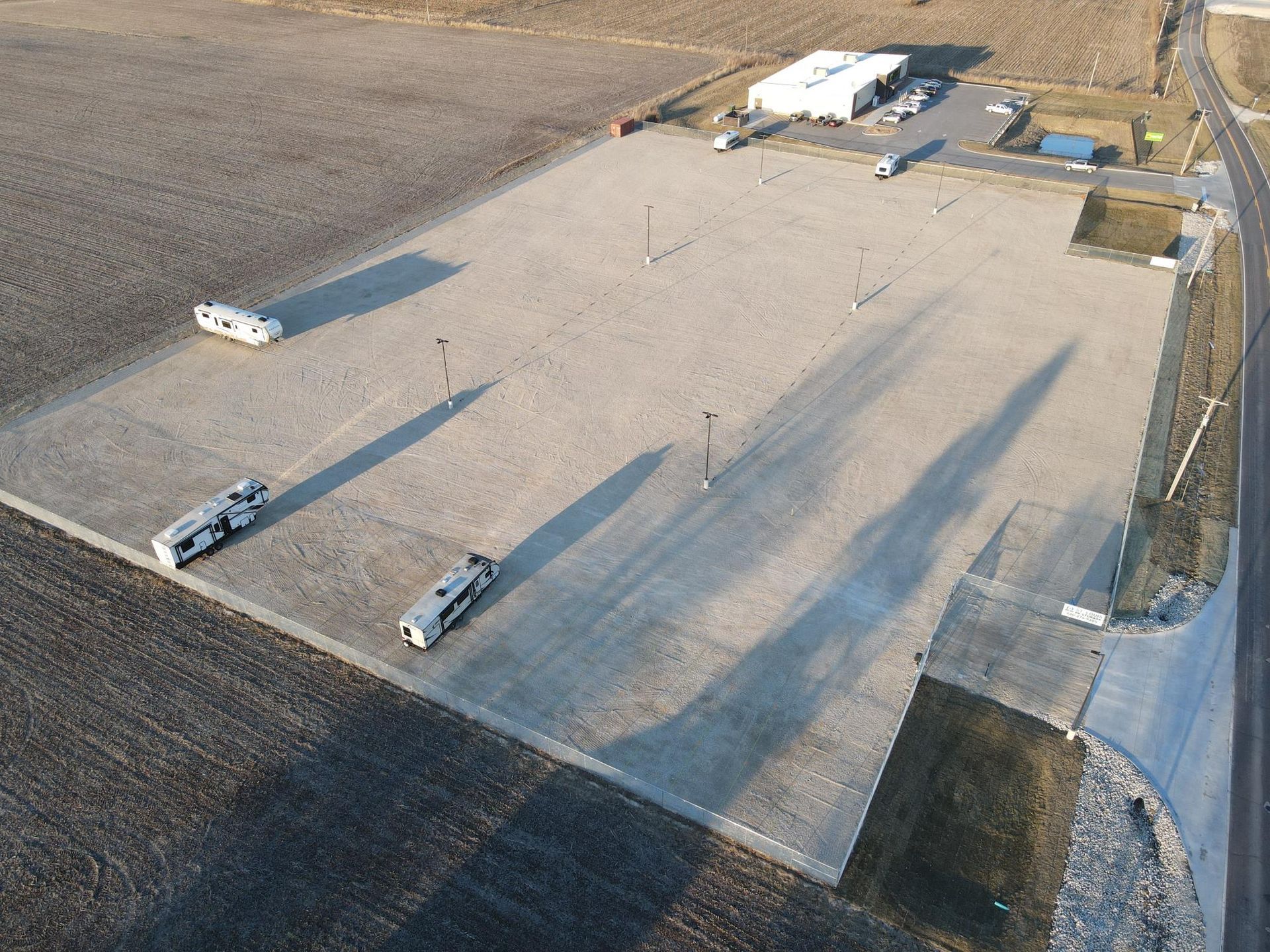
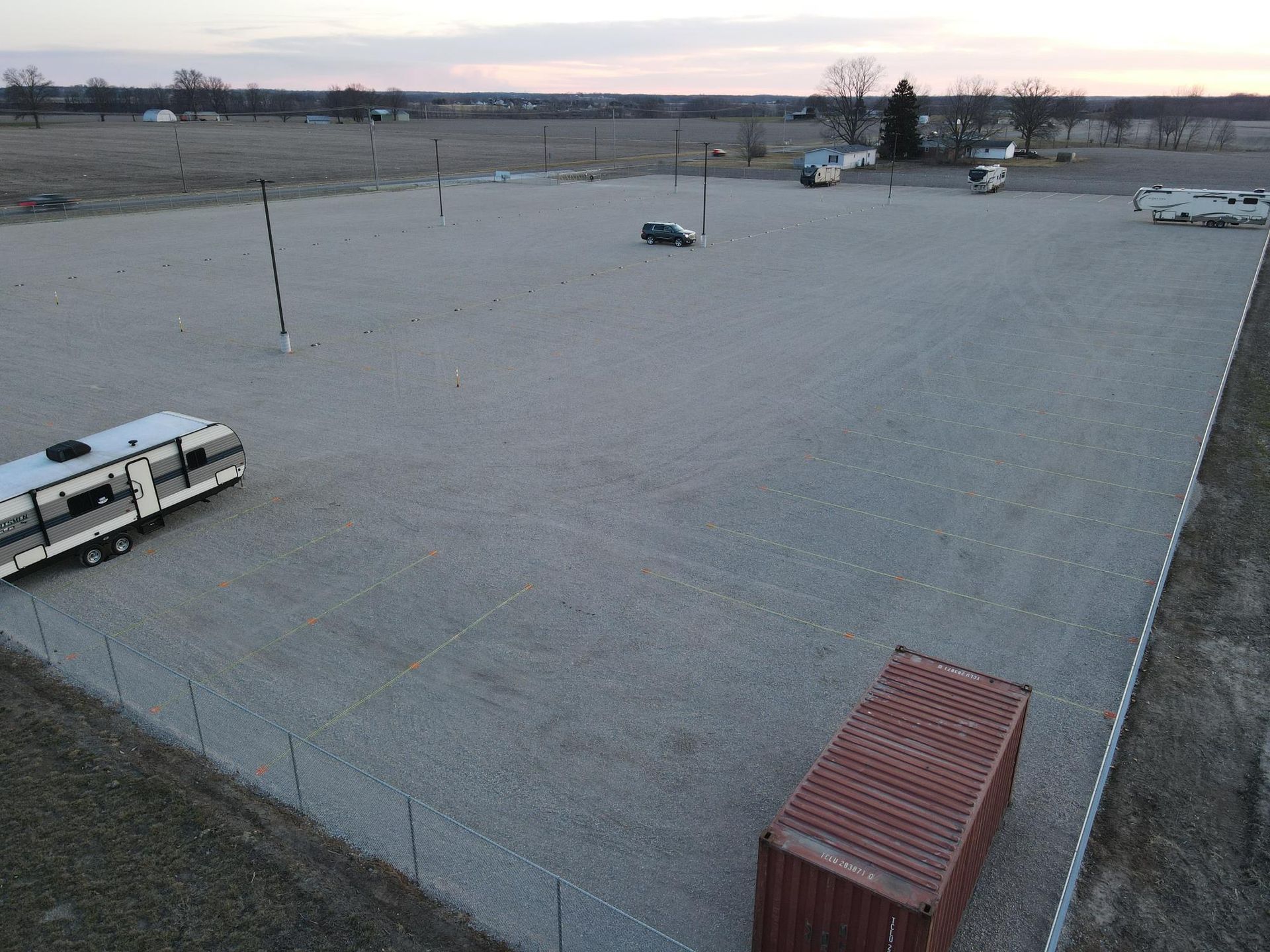
Good storage facilities typically have wide drive aisles, strong lighting, and open sightlines. Poorly designed lots with hidden corners and weak lighting are higher risk environments.
If Your RV Is Stolen: Act Fast
Time is critical when responding to theft.
Call Emergency Services Immediately
Provide police with:
- VIN number
- License plate information
- Make and model details
Keep this information stored in a safe, easily accessible location.
Activate GPS Tracking
Share real-time location data with law enforcement right away. Recovery chances increase dramatically when authorities can track movement.
Contact Your Insurance Company
Start the claims process quickly. Documentation photos and police reports will be essential.
Alert the RV Community
Online RV forums and social media groups often help locate stolen vehicles. Community awareness has helped recover many stolen RVs.
Store Your RV Where Security Matters
Choose storage solutions that prioritize protection. Facilities with gated access, individual entry codes, surveillance cameras, and strong lighting provide much stronger protection against theft.
Combining a secure storage facility with personal security measures creates the strongest defense against RV theft.
If you want help securing your RV storage spot or learning more about RV security strategies, you can contact us at (636) 275-9305 or reserve your storage space online.
Frequently Asked Questions
What is the best way to prevent RV theft in storage?
Use layered protection including physical locks, alarms, and GPS tracking. Multiple barriers discourage thieves more effectively than one security measure alone.
Is GPS tracking worth it for RV storage security?
Yes. GPS tracking helps law enforcement locate stolen RVs faster and improves recovery success rates.
What physical security devices should I use?
The best options are:
- Coupler locks
- Wheel boots
- Deadbolt upgrades
- Hitch pin locks
Using several devices together provides stronger protection.
What should I do before storing my RV?
Remove valuables, document RV condition, verify insurance coverage, and ensure all entry points are secured.
How do I know if an RV storage facility is safe?
Look for controlled gate access, security cameras, good lighting, strong fencing, and clear visibility throughout the lot.
Related Posts