What Missouri RV Owners Should Know About Storing Vehicles During Humid Summers
CALL TODAY! (636) 275-9305
Table of Contents
- Understanding the Challenges of Missouri Summers
- Essential Preparations for Storing RVs During Humid Summers
- Protecting Your RV’s Interior from Moisture Damage
- Exterior Maintenance Tips for Summer Storage
- Choosing the Right Storage Facility in Missouri
- Seasonal RV Storage Checklist
- Conclusion
Key Takeaways
- High humidity in Missouri can cause mold, mildew, and interior damage to RVs if not stored properly.
- Preparing your RV before storage and using proper ventilation are critical for storing RVs during humid summers.
- Regular maintenance of both interior and exterior ensures your RV stays in optimal condition.
- Selecting a secure, climate-conscious facility can significantly reduce weather-related risks.
Understanding the Challenges of Missouri Summers
Missouri summers are well-known for their high humidity, frequent storms, and sweltering heat. For RV owners, these conditions present unique challenges, making proper RV storage an essential consideration. Moisture can seep into your RV through tiny cracks or poorly sealed windows, fostering mold, mildew, and unpleasant odors. Prolonged exposure to heat and humidity can also accelerate wear on your RV’s roof, seals, and exterior surfaces. Understanding these weather conditions is the first step toward successful Missouri RV weather care.
High humidity, in particular, is the most insidious factor. Even when an RV is stored under cover, trapped moisture can cause corrosion on metal components, damage cabinetry, and compromise fabrics and upholstery. Awareness and proactive care make the difference between a summer-ready RV and one that requires costly repairs.
Essential Preparations for Storing RVs During Humid Summers
Proper preparation is the foundation of successful RV storage tips for summer. Before you tuck your RV away for the season, take several preventive measures:
- Clean Thoroughly: Remove all food, trash, and perishables. Mold and mildew can start growing on crumbs or damp surfaces.
- Check Seals and Windows: Inspect all seals, windows, and doors for cracks. Re-seal any openings to prevent moisture infiltration.
- Ventilation Setup: Use roof vents, window vents, or small solar fans to maintain airflow. Adequate ventilation reduces condensation buildup inside the RV.
- Dehumidifiers and Absorbers: Consider placing moisture-absorbing products inside storage areas to combat persistent humidity.
Investing time in these preparations significantly reduces the risk of mold growth and interior deterioration, keeping your RV ready for your next adventure. For first-time renters or beginners storing their RVs, our RV Storage Guide for Beginners offers a comprehensive handbook to ensure no steps are missed.
Protecting Your RV’s Interior from Moisture Damage
The interior of your RV is especially vulnerable during humid summers. Wood, fabric, and leather surfaces can warp, crack, or grow mold if exposed to excess moisture.
Here’s how to safeguard your RV interior:
- Use Protective Covers: Breathable RV covers protect your vehicle from dust, debris, and minor moisture while allowing air circulation. Avoid plastic covers that trap humidity.
- Remove Fabrics When Possible: Curtains, cushions, and rugs can absorb moisture. Removing and storing them separately helps prevent mold growth.
- Monitor Moisture Levels: Small hygrometers can alert you to rising humidity inside the RV. Portable dehumidifiers can help if levels become too high.
- Clean Air Conditioning Systems: Run and maintain your RV’s air conditioning system before storage. This prevents musty odors and ensures proper airflow.
Implementing these steps ensures that your RV interior remains fresh, dry, and ready for your next road trip.
Exterior Maintenance Tips for Summer Storage
Humidity doesn’t only affect the interior—it also takes a toll on your RV’s exterior. Prolonged exposure can lead to peeling paint, rust, and seal deterioration. To protect your RV, consider the following tips:
- Wash and Wax: A thorough wash removes dirt and contaminants. Applying wax creates a protective layer against moisture and UV damage.
- Roof and Seal Inspection: Check your roof, seals, and seams for cracks or leaks. Applying a sealant where needed can prevent water infiltration.
- Tire Protection: Tires can dry-rot or crack under extreme conditions. Inflating them to the recommended pressure and covering them can prolong their lifespan.
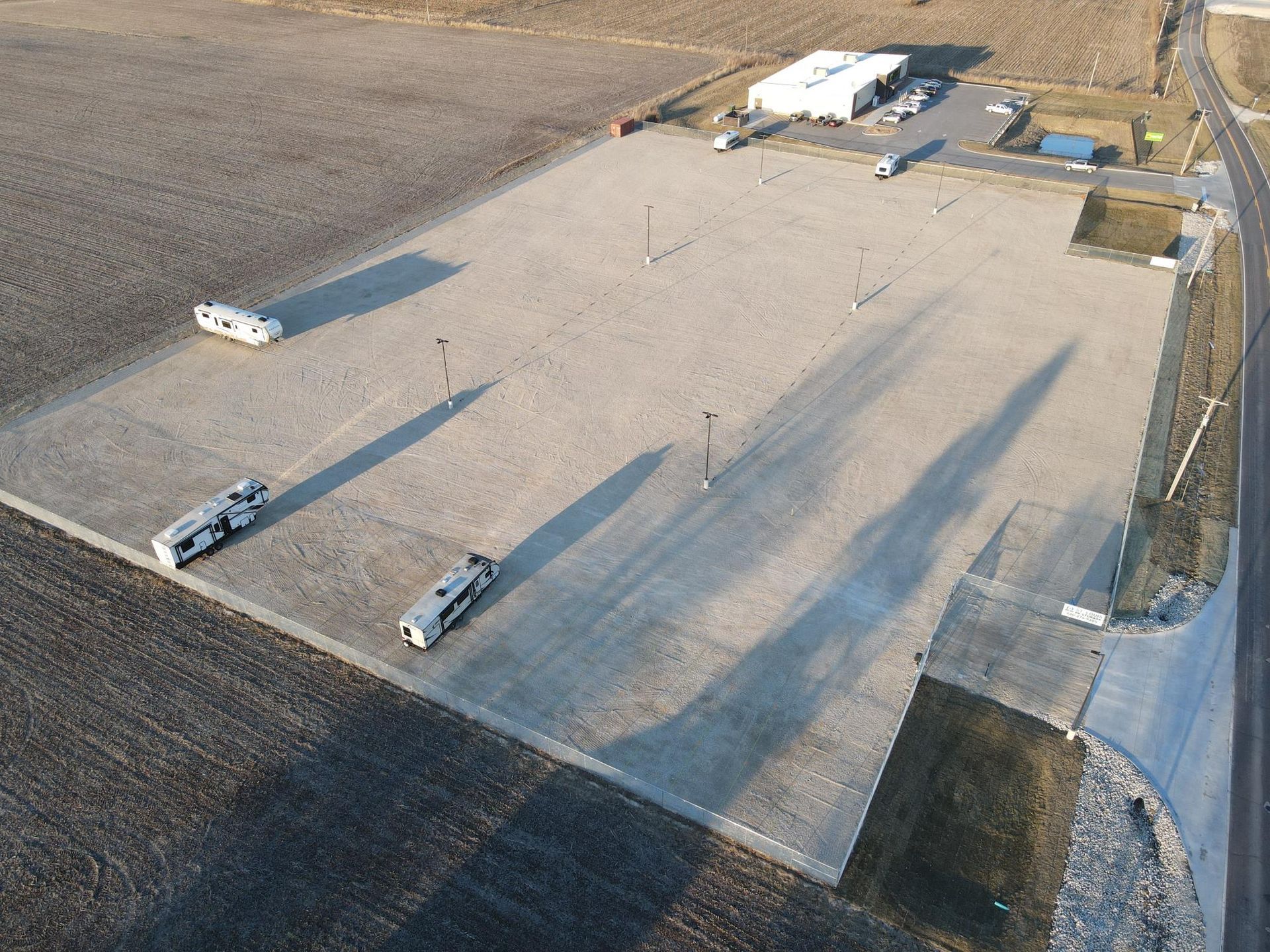
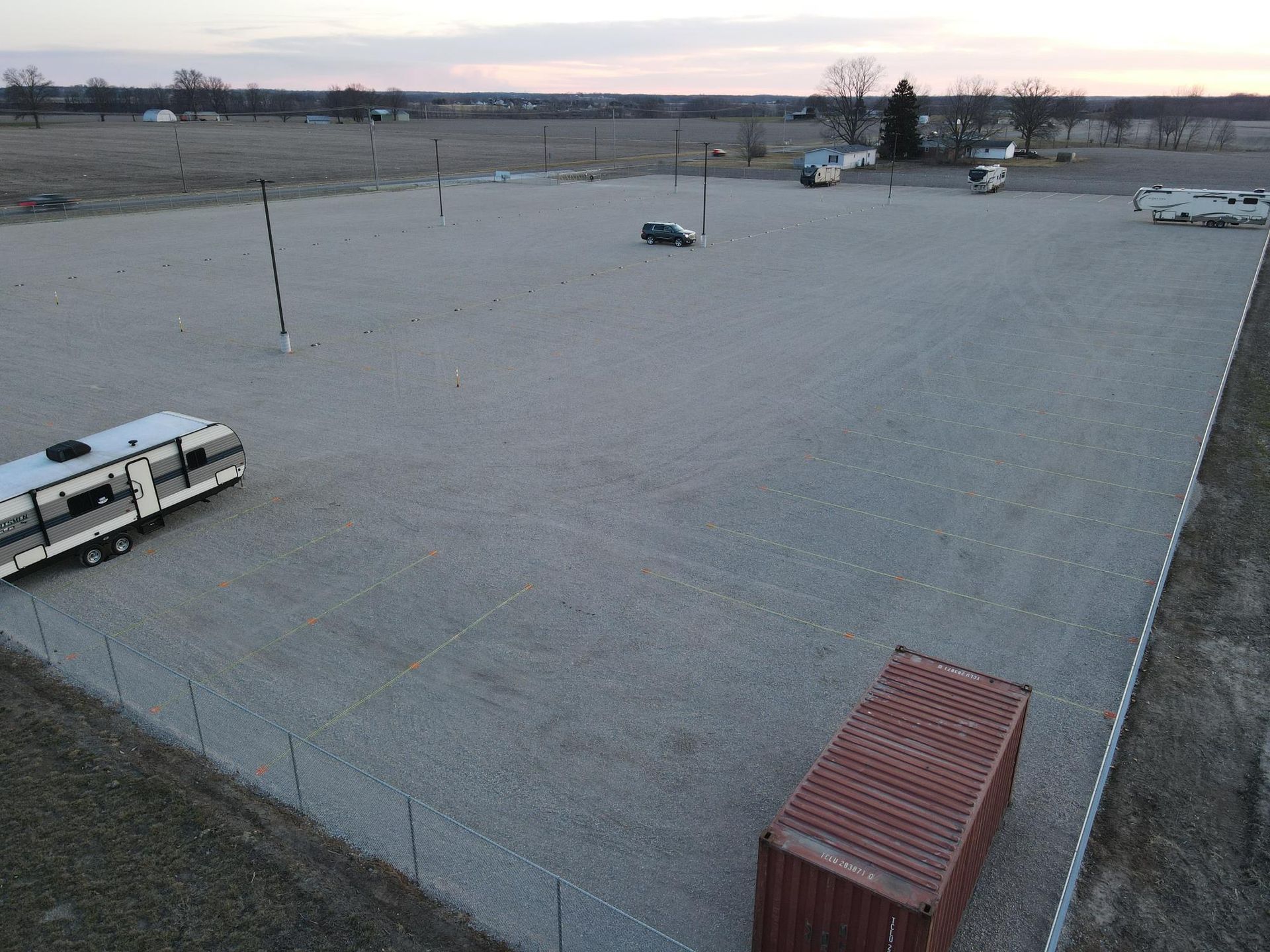
- Avoid Parking on Grass: Moisture can rise from the ground, so choose a gravel or paved surface for storage.
Taking these exterior precautions will prolong your RV’s lifespan and reduce maintenance headaches when the humid season ends.
Choosing the Right Storage Facility in Missouri
Not all storage facilities are created equal, especially when dealing with storing RVs during humid summers. Selecting the right facility can make a substantial difference in how your vehicle fares. Look for these features:
- Covered or Indoor Storage: Protects against direct sunlight, rain, and extreme humidity.
- Climate Control Options: Some facilities offer temperature and humidity-controlled spaces to prevent mold and condensation.
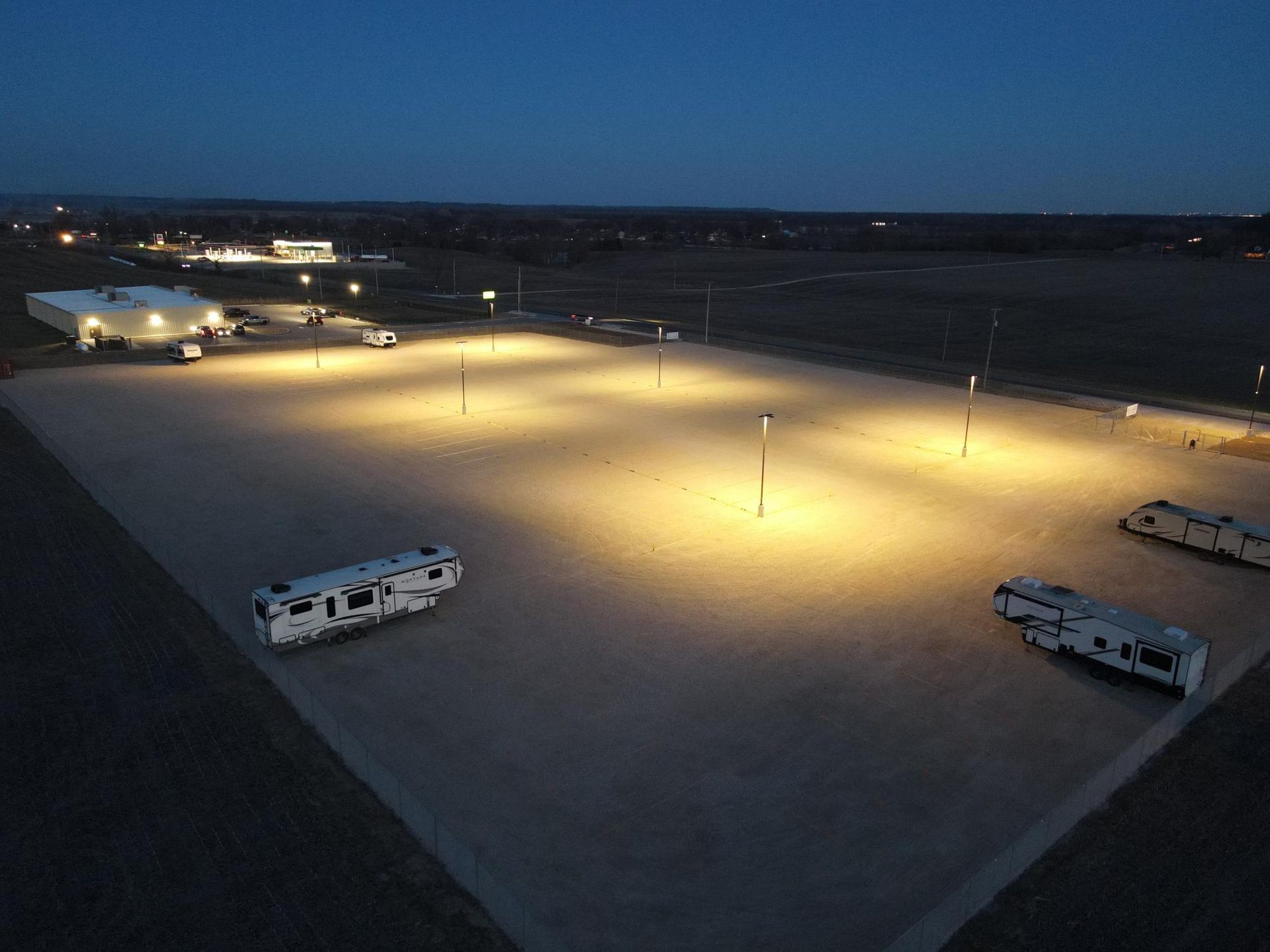
- Security Measures: Surveillance cameras, gated access, and on-site staff enhance peace of mind.
- Accessibility: Easy access allows you to perform occasional inspections or maintenance if needed.
Carefully evaluating these factors ensures your RV stays in prime condition throughout the season. Check out our RV storage options to find a facility that meets all these criteria.
Seasonal RV Storage Checklist
Having a comprehensive checklist helps simplify RV storage tips for summer and ensures you don’t miss critical steps:
- Clean and dry the RV inside and out.
- Inspect and seal all openings.
- Set up ventilation and moisture absorbers.
- Remove or protect fabrics and upholstery.
- Wash and wax the exterior.
- Inflate and cover tires.
- Store on a proper surface, ideally in a climate-aware facility.
- Monitor periodically for any signs of humidity damage.
This checklist will help you maintain a summer-ready RV and prevent costly repairs caused by prolonged exposure to heat and humidity.
Conclusion
Storing RVs during humid summers in Missouri requires careful planning, consistent maintenance, and the right storage environment. By understanding the unique challenges posed by high humidity, protecting both the interior and exterior of your RV, and choosing a secure storage facility, you can ensure your vehicle remains in top condition. Applying these Missouri RV weather care practices and RV storage tips for summer will keep your RV adventure-ready and save you from potential damage.
For Missouri RV owners seeking reliable storage solutions, St. Louis RV Storage offers secure, climate-conscious options. Contact us directly at stlrvstorage.com/contact-us to discuss your storage needs and schedule a tour today—protect your investment and enjoy peace of mind knowing your RV is ready for the road whenever you are.
Frequently Asked Questions
How can we best protect our RV when storing it during humid summers?
We make sure to clean and dry our RV, seal all openings, use ventilation, and add moisture absorbers. These steps help us prevent mold and mildew while keeping our RV ready for the next trip.
What are the key Missouri RV weather care tips we should follow?
We inspect seals, maintain our roof, cover our RV with breathable materials, and check humidity levels regularly. These practices help us protect both the interior and exterior from moisture and heat damage.
How do we ensure proper ventilation while storing our RV in summer?
We use roof vents, window vents, or small solar fans to keep air flowing. Adequate ventilation reduces condensation buildup and prevents damage to our RV during the humid Missouri summers.
Should we consider climate-controlled storage for summer?
Yes, we find that climate-controlled storage helps maintain stable humidity and temperature levels. It protects our RV from mold, mildew, and interior deterioration during the peak of Missouri’s humid season.
What interior precautions do we take to avoid moisture damage?
We remove fabrics like curtains and cushions, use protective covers, run the AC before storage, and monitor moisture with hygrometers. These steps keep our RV interior dry and mold-free throughout the summer.
Related Posts